Turning Wood Scrap into Sensory Hope.
A youth-led social enterprise founded by 16-year-old Vrinda Tiwari of DPS Saharanpur. We rescue Sheesham offcuts to craft inclusive tools of tactile, sound and scent for children with autism or visual impairment, the elderly, and physically challenged patients.
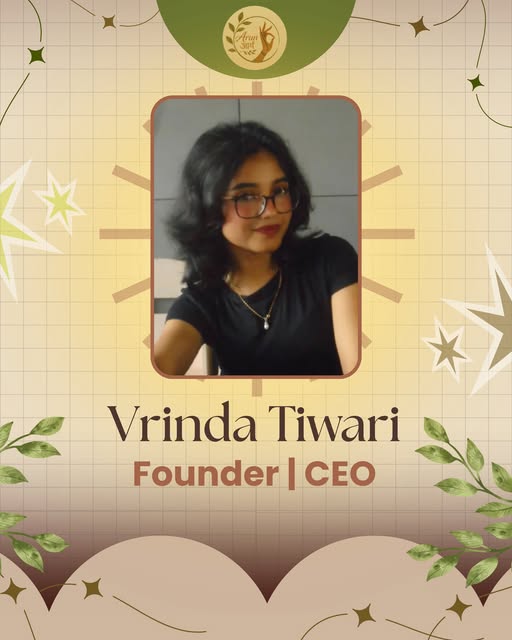
Vrinda Tiwari — a dawn named Arun.
Vrinda is 16, a student of Delhi Public School, Saharanpur — and a painter long before she was ever a founder. As the daughter of doctors who volunteered at blind schools across North India, she grew up in wards and workshops in equal measure. She watched children who had never seen colour, and elderly patients who had lost the strength to hold their own spoon. Compassion, for her, was never abstract.
An accomplished young artist with an innate love of form, colour and craft, Vrinda always believed that art was medicine before it was decoration — and that Mother Nature herself was the first healer. Living in India's woodcraft capital, she watched artisans pile mountains of Sheesham scrap outside their sheds, bound for the fire. Two threads pulled together: healing hands need healing textures, and no scrap should be wasted when a child, an elder, a patient somewhere waits for hope.
She named the enterprise Arunarya, after her grandfather Arun — a name that also means dawn. A ray of first light for children with autism, visual impairment or delayed milestones. Dignified employment for local artisans. A gentle rebellion against waste. And a young girl's promise that art, when it is honest, heals.
A world where every discarded scrap becomes a healing touch, every young hand can shape hope, and no child, elder or artisan is left behind by beauty.
To transform Saharanpur's woodcraft by-products into multi-sensory tools of touch, sound and scent — bringing dignified therapy to children with disability, the elderly and the physically challenged; generating fair, joyful employment for local artisans; and carrying a 400-year-old Indian craft to the world without felling a single tree.
Every gram of wood we use is rescued from Saharanpur's discard piles. No new tree is felled for Arunarya — ever. Every rupee of profit returns to the artisan's hand, the child's therapy, or the earth we borrowed from.
From a Saharanpur workshop to the world's classrooms and wards.
Arunarya is being prepared as a pitch to UNESCO's Living Human Treasures programme and the World Health Organization's assistive-technology initiative — as a scalable, culturally rooted model where a UN Sustainable Development Goal is met not by machines, but by a young girl, an old artisan and a rescued piece of wood.
Inclusive Education — sensory tools for special schools worldwide.
Decent Work — fair, joyful employment for master artisans of a heritage craft.
Reduced Inequalities — dignity for the disabled, the elderly and the paraplegic.
Responsible Production — zero-waste circular use of woodcraft by-products.
Heritage, measured in dawns.
Sensory Series
Loading the collection…
Hands that carry
a 400-year-old craft.
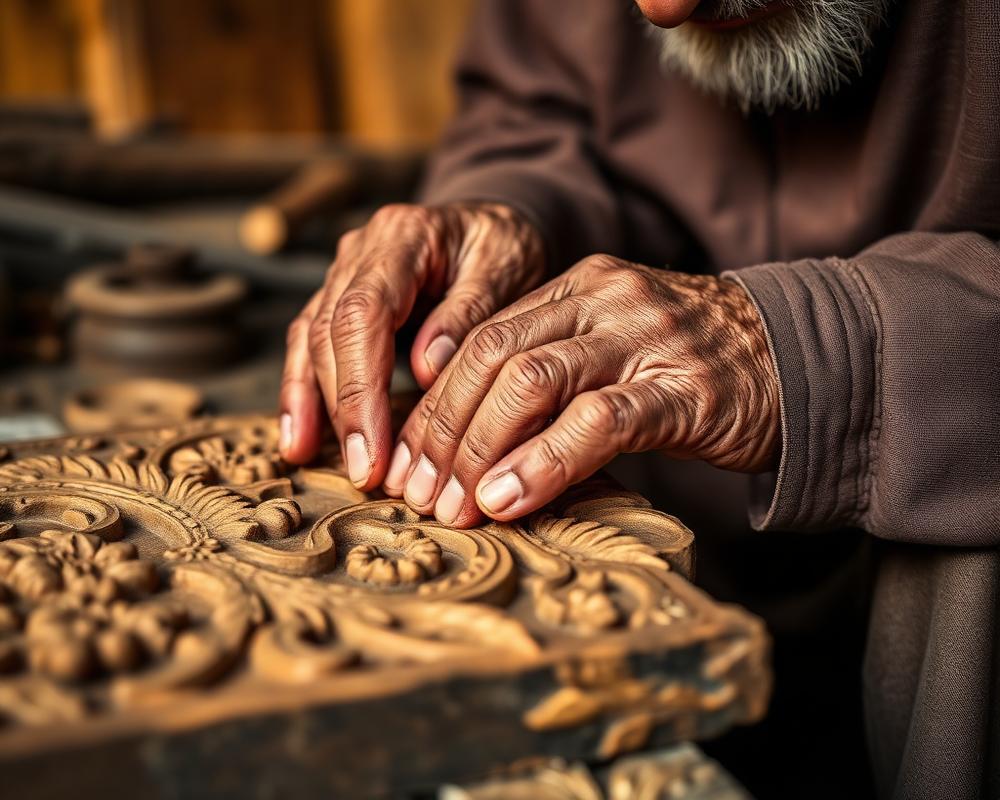
" For thirty years I carved doors and jaali panels. Now I carve joy for a child who has never seen it — and my scraps do not go to fire.
Young changemakers
behind the dawn.
Founder, patrons, medical advisory board, advisory board and a student collective — designing, researching and telling the story of zero-waste sensory craft.
Sixteen-year-old founder, artist and changemaker. Grew up among Saharanpur's carving workshops and, after visits to blind schools with her doctor parents, turned discarded wood scrap into sensory tools for children and elders who learn through touch, sound and scent.
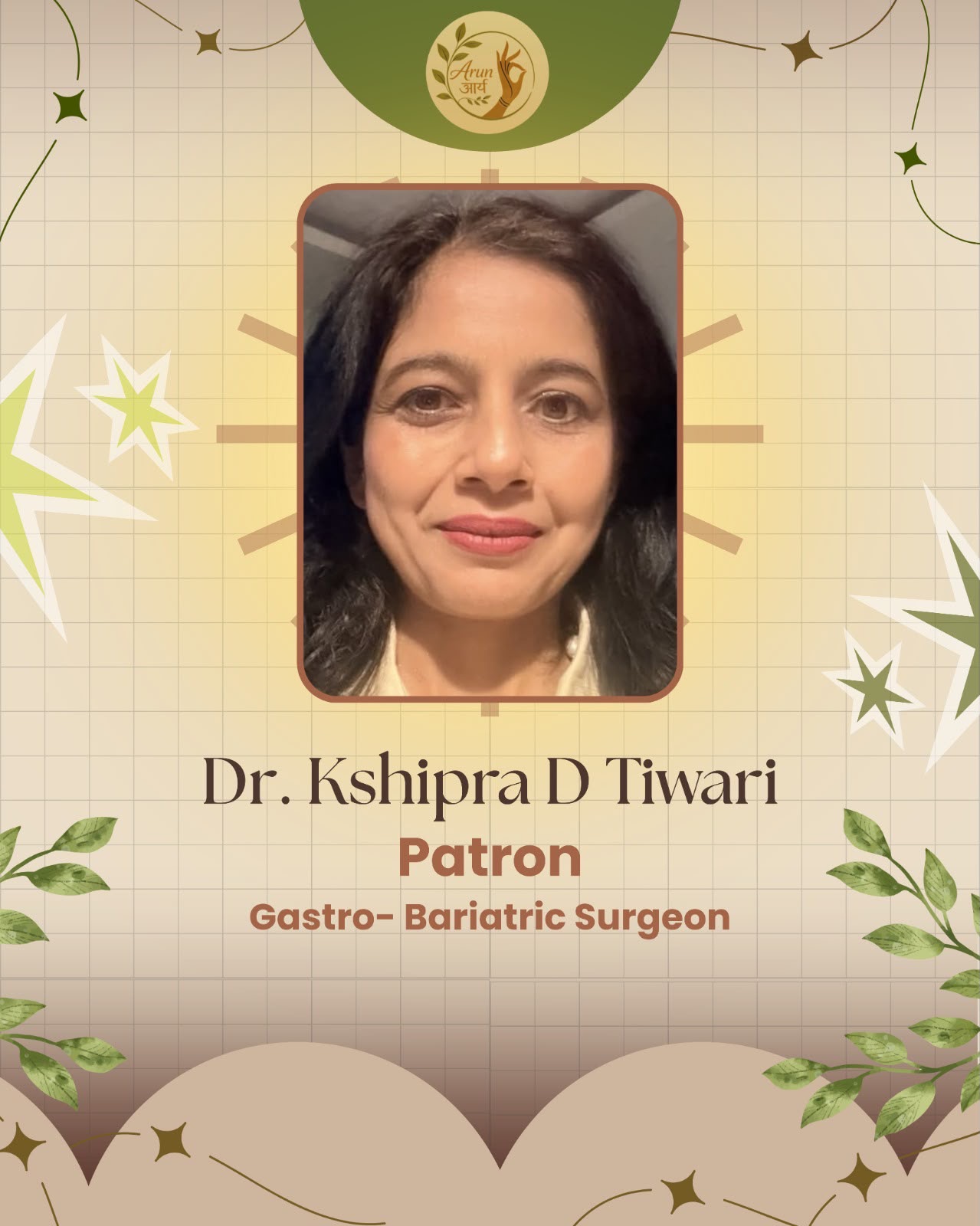
Surgeon and hospital director, guiding Arunarya on clinical safety, hygiene and the therapeutic value of every tool that reaches a patient or a child.
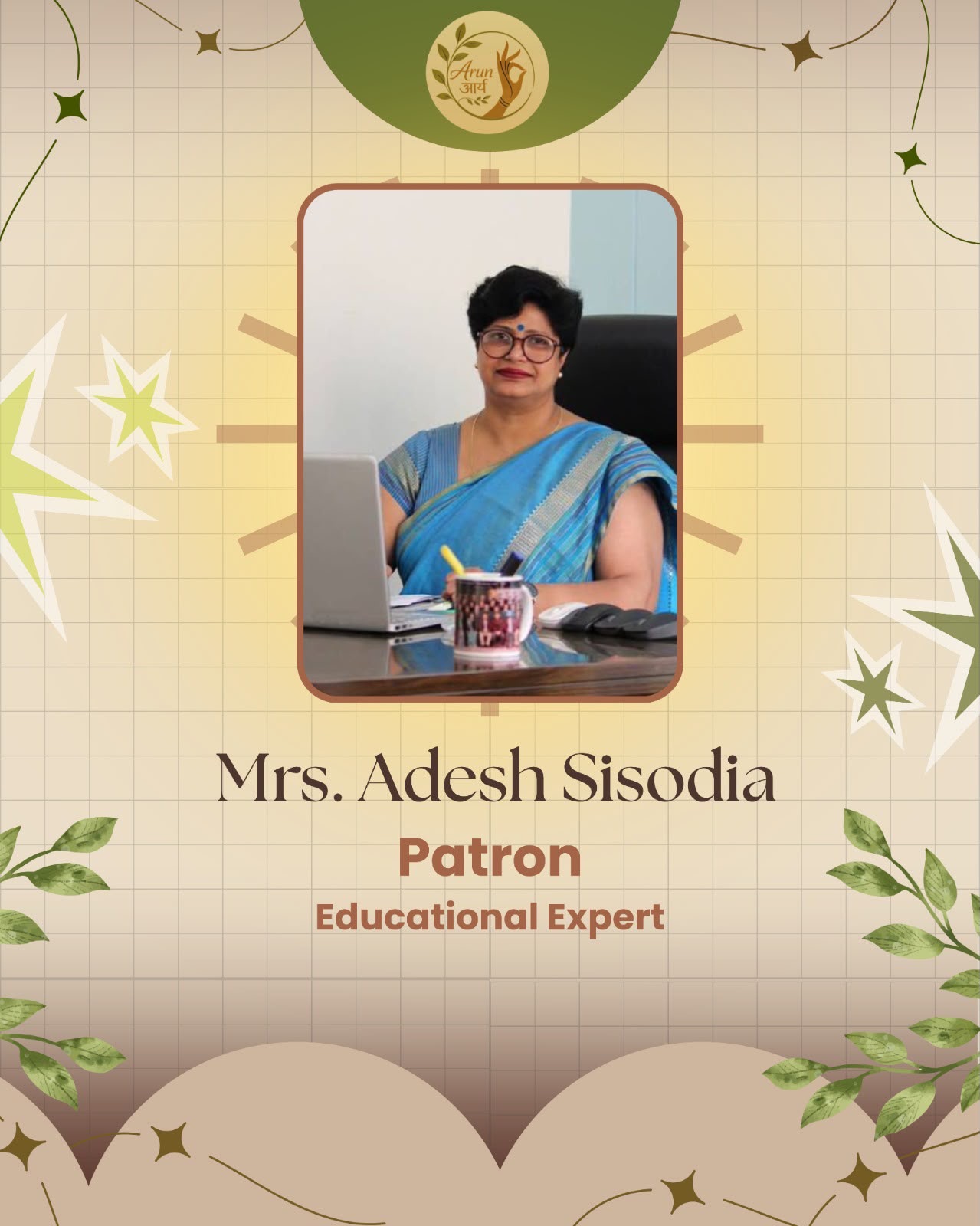
Educator and patron, supporting Arunarya's school outreach and its work in bringing inclusive, sensory learning into classrooms.
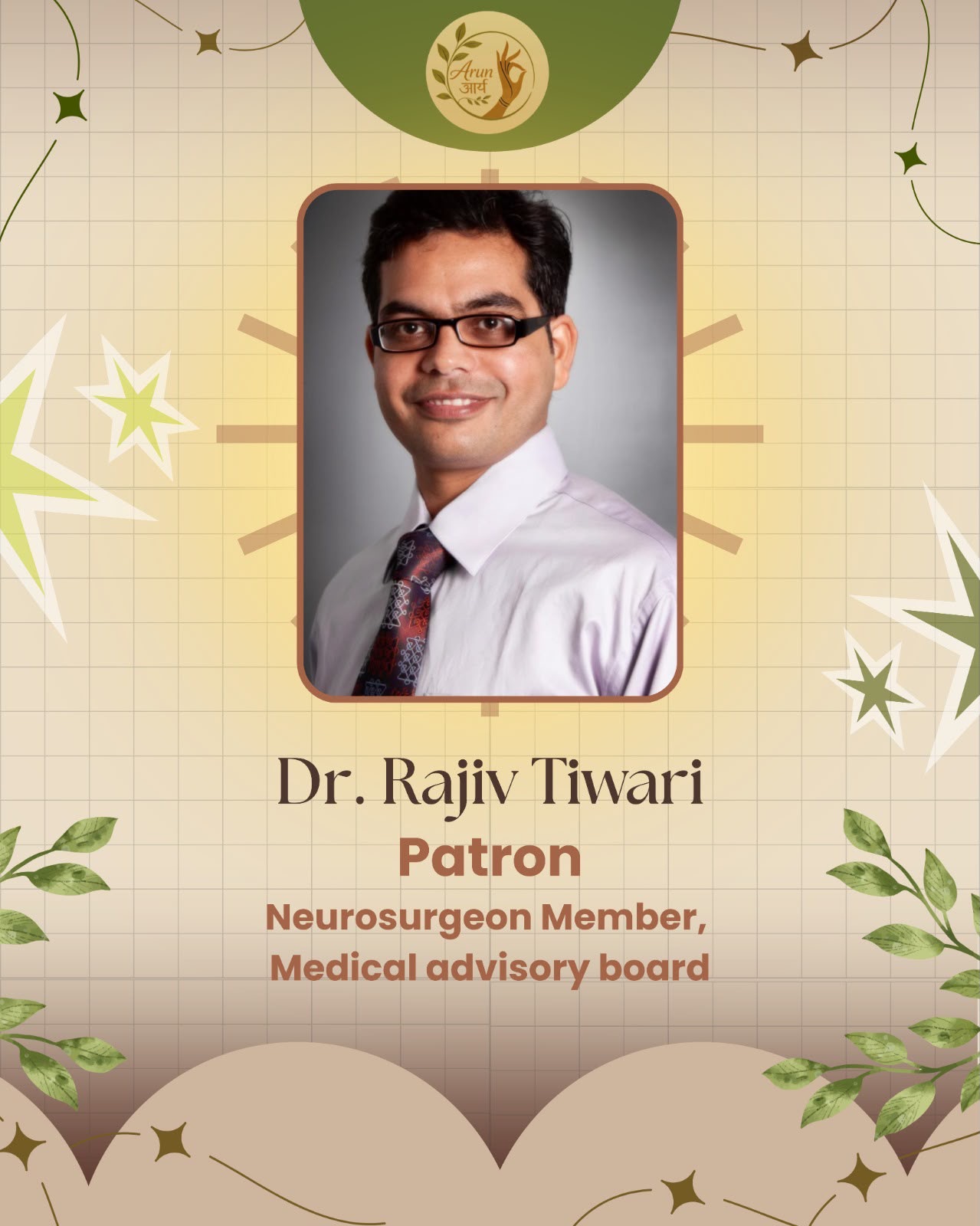
Chief neurosurgeon and medical educator who joins Arunarya's public conversations on neurodiversity, advising on safe, therapeutic design for children and adults with neurological differences.
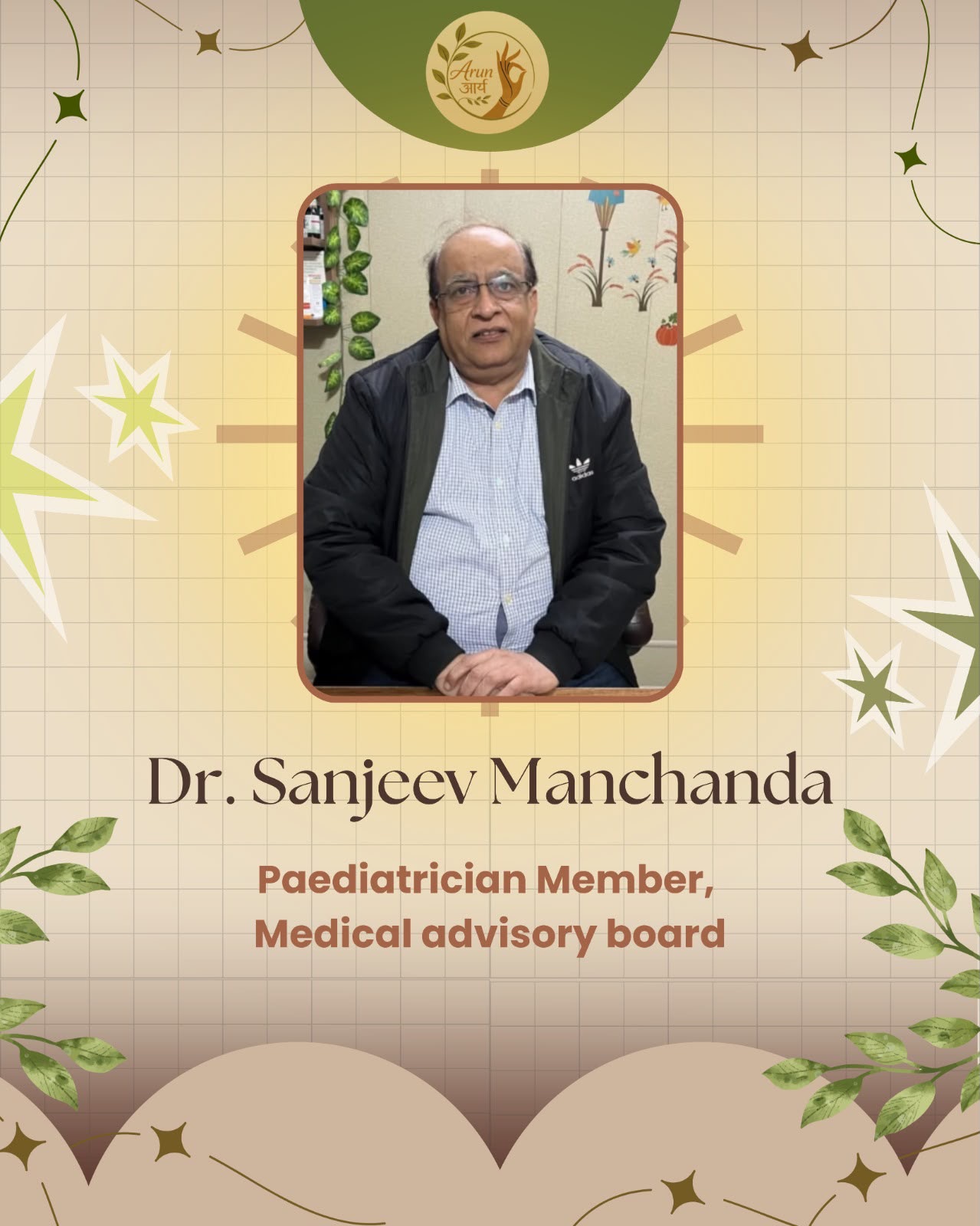
Paediatrician with deep experience in child and rehabilitative care, helping shape tools that are gentle on small or unsteady hands and reassuring for caregivers.
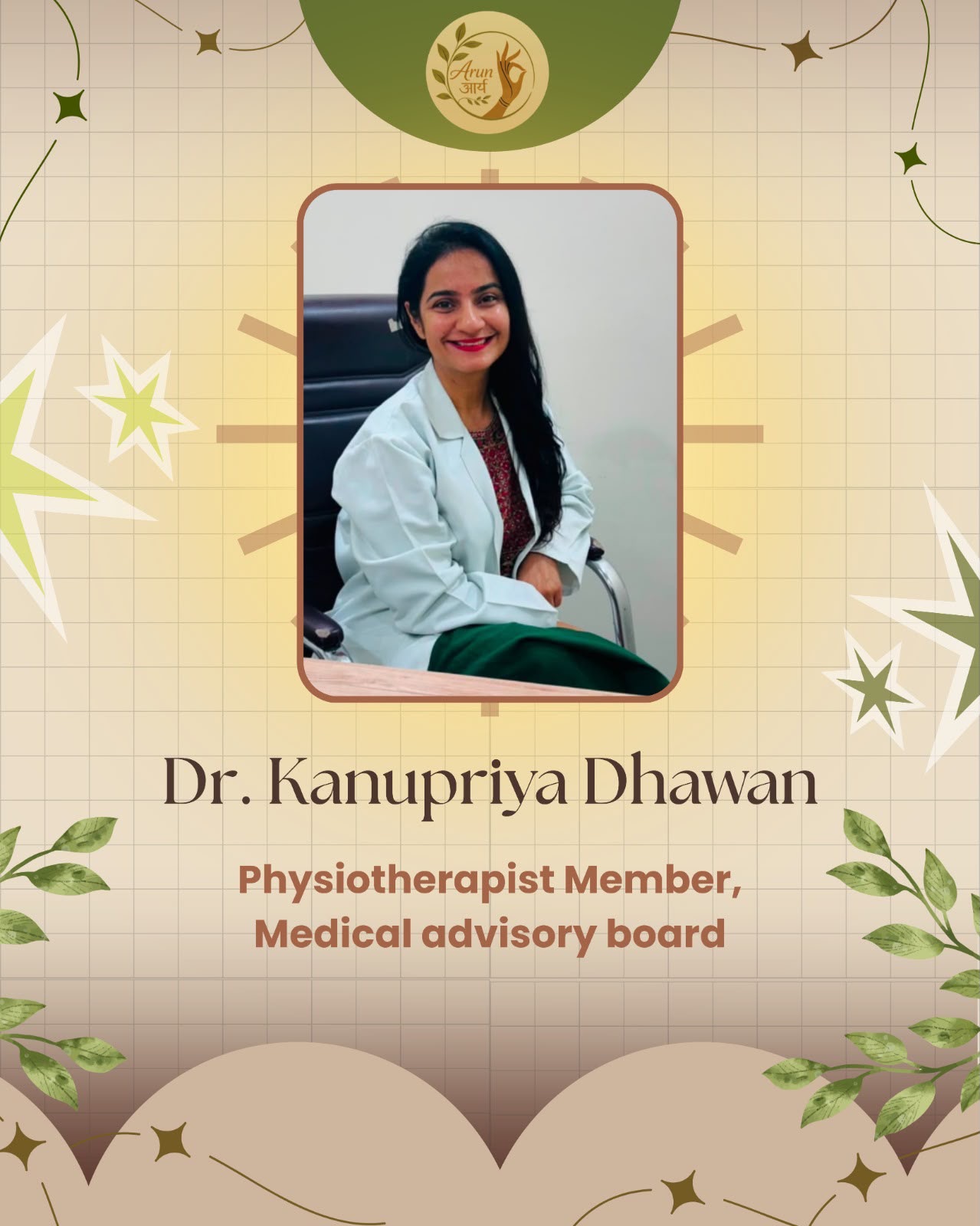
Physiotherapist specialising in post-orthopaedic surgery rehabilitation, reviewing each sensory design for grip, motion range and recovery value.
Educator for children with special needs, translating classroom and therapy-room experience into practical guidance for families, teachers and caregivers using Arunarya tools.
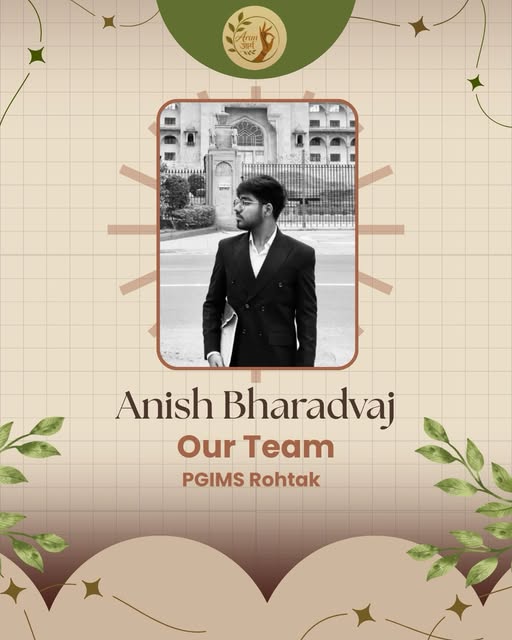
Medical student advising on geriatric and paraplegic use-cases — grip safety, hygiene and rehabilitation value of each tool.
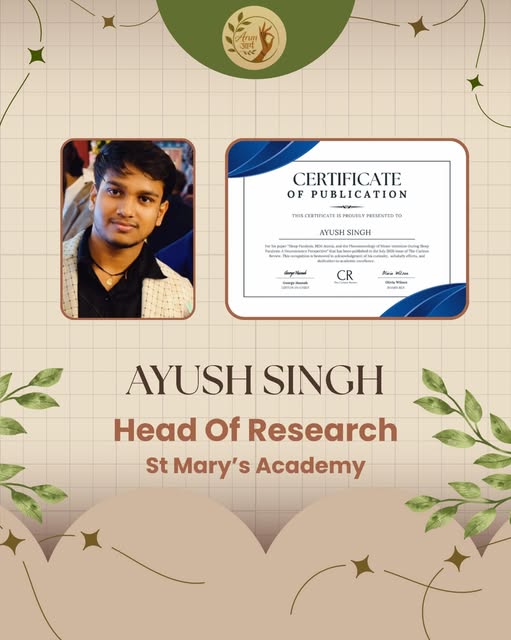
Leads product research — studying occupational-therapy literature and testing textures, weights and sound chambers with therapists before a design reaches the workshop.
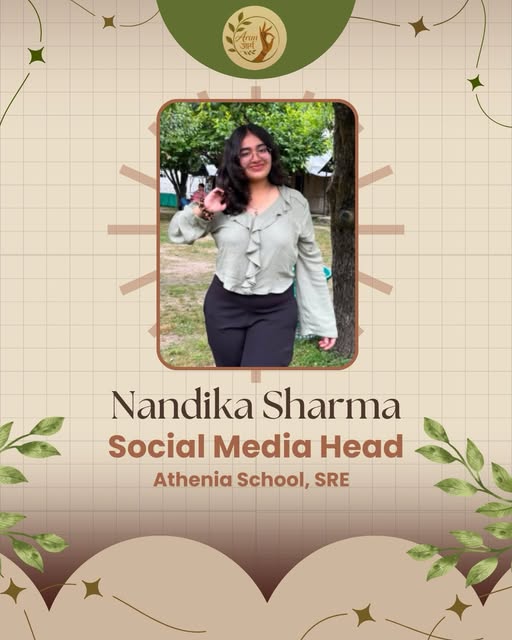
Tells Arunarya's story online — artisan portraits, before-after scrap journeys and campaign films that carry Saharanpur's craft to a wider audience.
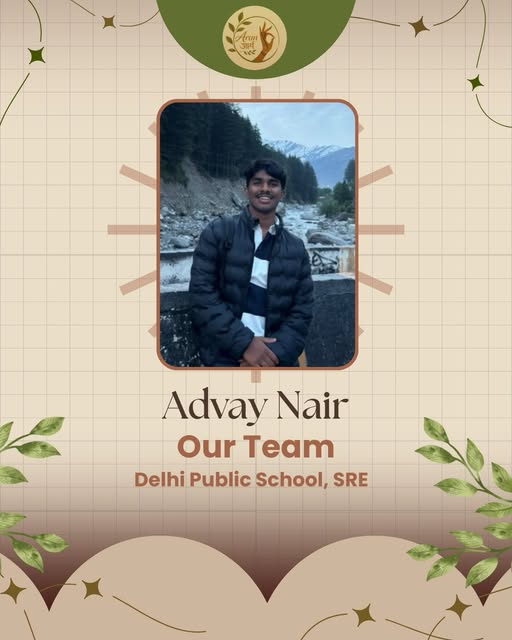
Sketches and prototypes the forms — translating traditional jaali and floral motifs into shapes safe for small and unsteady hands.
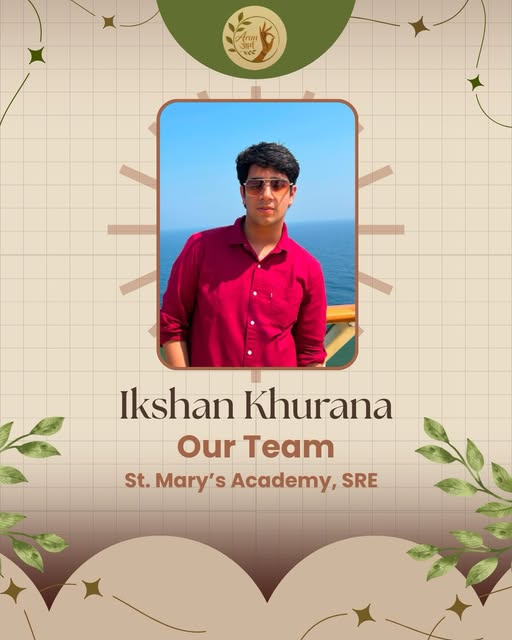
Coordinates scrap collection from Saharanpur workshops and tracks how much wood is diverted from burning each month.
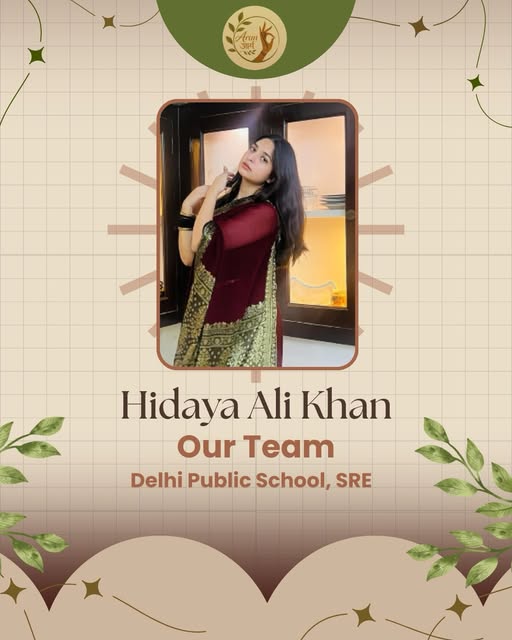
Connects with special schools and elder-care homes, running product trials and gathering feedback from teachers and caregivers.
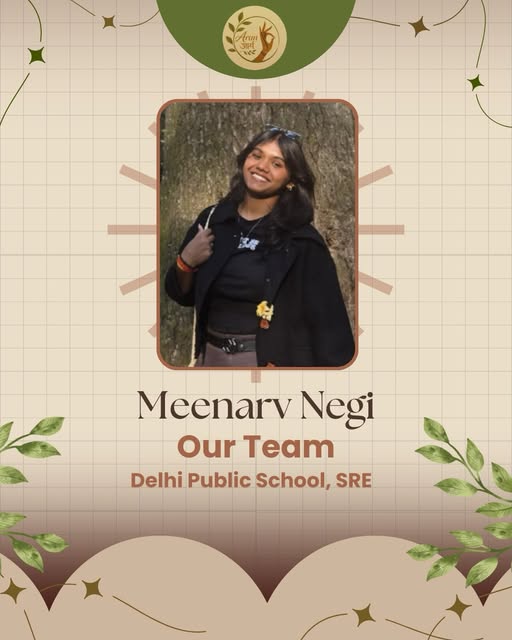
Measures Arunarya's impact — waste diverted, natural finishes used and the carbon saved by rescuing wood instead of burning it.
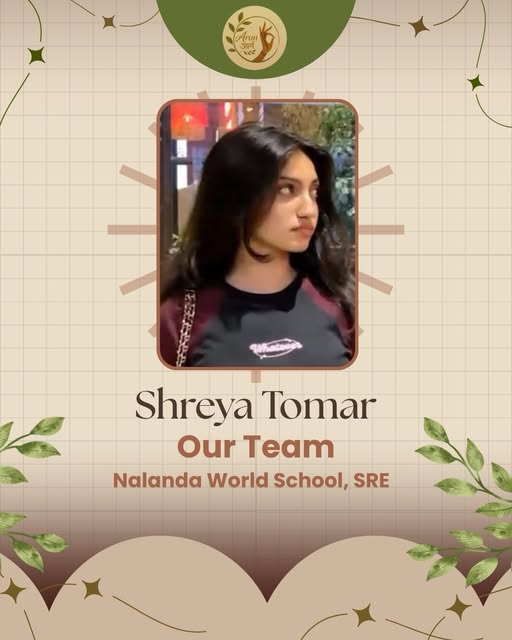
Writes and translates every usage guide into Hindi and English so families and caregivers can use each tool confidently.
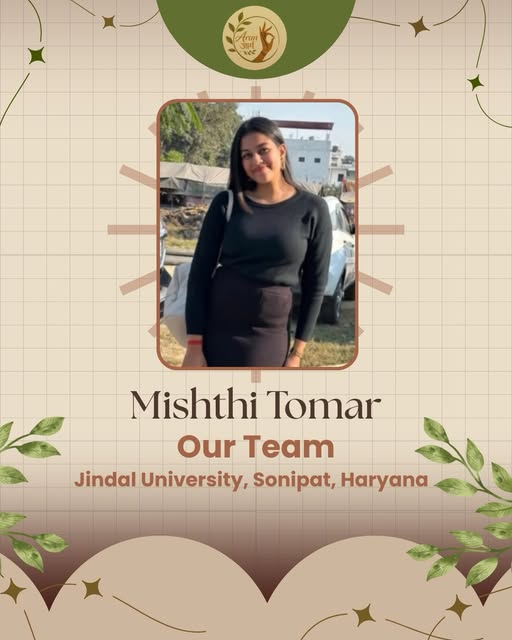
Builds CSR and institutional partnerships — grants, artisan training funds and product distribution to special schools.
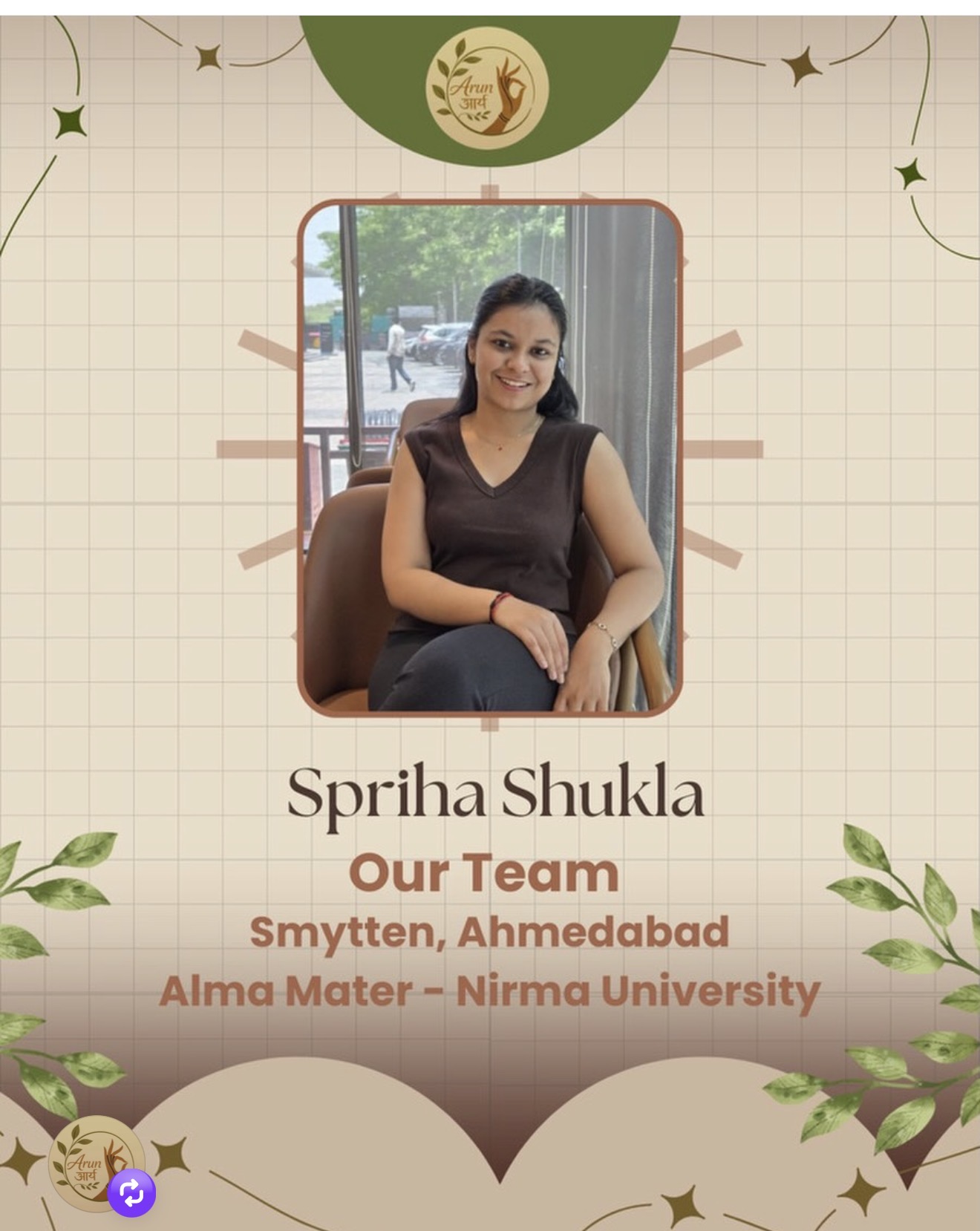
Supports the Arunarya team with experience from Smytten in Ahmedabad and an academic foundation from Nirma University.
Swipe to meet the team →
Support the Dawn
Every contribution trains a young artisan and delivers sensory joy to a special school in India.
From Saharanpur, with love.
Arunarya is a movement — proof that youth leadership and traditional craft can answer modern waste and inclusion together.
hello@arunarya.in